This is a guide to hurricane season prep for Southwest Florida seniors and their families. Hurricane season starts June 1. Down here, that date does not sneak up on anyone. The families we look after still talk about Ian like it was yesterday. Some of them are still finishing repairs from Milton. And Idalia, Helene, and Debby in between were their own kind of stressful even when they did not make landfall here.
If you have an aging parent in Fort Myers, Cape Coral, Naples, Sarasota, or anywhere else along our coast, the next two weeks are the right time to do hurricane prep with them. Not because a storm is coming. Because there will not be a better moment than this one.
This is the prep guide I wish every family had a copy of by May 1. It is written for seniors specifically, with the things that matter most for older adults flagged first.
“The clients who fared best during Ian were not the ones with the biggest generators. They were the ones who had registered with their county ahead of time, who had a two-week medication supply on hand, and who had family members who already knew the plan. None of that takes much. It just takes doing it before June 1.”
Brandi, Founder
Step One: Sign Up for the Florida Special Needs Registry
This is the single most important thing on this list, and almost nobody knows about it.
The Florida Special Needs Registry is a free, statewide program that lets seniors and adults with medical conditions register ahead of time for help during a disaster. Registering does two things:
- Local emergency management knows where you are and what you need before a storm hits.
- You get assigned a Special Needs Shelter instead of a regular shelter. Special Needs Shelters have nursing staff, refrigeration for medications, backup power, and oxygen.
You should register if your aging parent uses any of the following: oxygen, a CPAP, dialysis, IV medications, refrigerated meds (like insulin), a wheelchair or walker they cannot manage stairs with, a feeding tube, or anything else that depends on electricity. Dementia by itself qualifies too because the disorientation of a regular shelter can be dangerous.
Registration takes about ten minutes and is good for the whole season. Counties also have their own intake systems, and any of these will work:
If your county is not listed or you want to register at the state level, go to snr.flhealthresponse.com.
Step Two: The Two-Week Medication Stockpile
This is the senior-specific piece that family caregivers most often miss until they need it.
Florida law allows pharmacies to issue an early refill of a 30-day prescription when a hurricane is officially threatening, but by the time that order goes out, lines are long, roads are bad, and a lot of pharmacies have already closed. The goal is to never need that emergency refill.
Aim for a 14-day buffer supply of every regular medication by the start of June. Steps:
- Call the pharmacy in the last week of May and ask them to do a vacation or hurricane-prep early refill on each daily medication. Most insurers will cover this without a fight if you mention hurricane prep.
- Keep an up-to-date medication list in writing or on a phone. Include drug name, dose, frequency, prescribing doctor, and pharmacy. Photograph each pill bottle as a backup.
- If anything needs refrigeration (insulin, some eye drops, certain biologics), have an insulated cooler with ice packs ready before the season starts. A small camping cooler works fine.
- For oxygen users, talk to your DME provider in May about backup canisters and what to do if power is out for more than 24 hours. Most providers in Lee and Collier have specific hurricane protocols.
If your loved one is on more than four prescriptions, the medication list alone can save a hospital trip after the storm. The hospitals that stay open after a major hurricane in Southwest Florida are slammed. The ones with the smoothest discharges back home are the families who can hand a nurse a printed med list.
Step Three: What Goes in the Kit
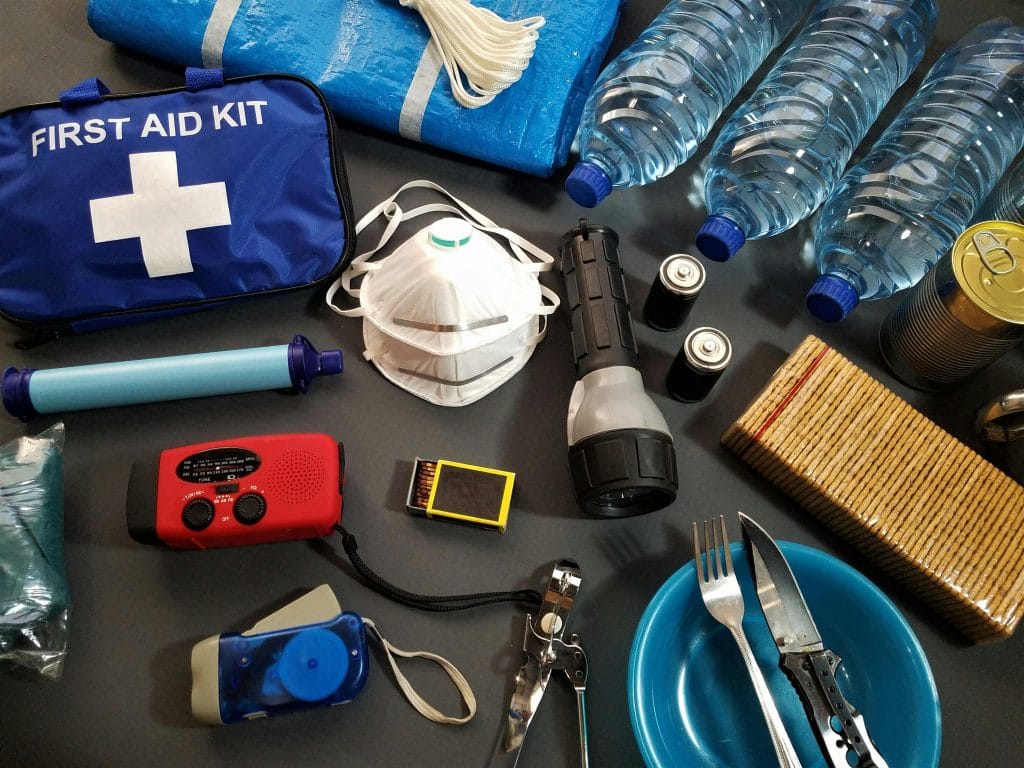
FEMA and Florida Division of Emergency Management both publish kit lists, and they are good. Here is the version trimmed down for a senior household.
Water and food (7 days minimum)
One gallon of water per person per day, for at least seven days. Forget the three-day FEMA minimum. After Ian, parts of Lee County were on boil-water notices for two weeks. Non-perishable food that does not require cooking or refrigeration: peanut butter, crackers, canned soup, canned fruit, protein bars. Include a manual can opener. Stock soft foods if your loved one has dental issues.
Light, radio, and power
Flashlights for every room, headlamps for hands-free use, a hand-crank or battery-powered NOAA weather radio, and a phone charger battery bank. Charge everything the day before the storm. Test smoke alarms and replace batteries. Skip candles. Open flame plus disoriented seniors plus a stressed household is a fire risk.
First aid and medical
A real first aid kit. Two weeks of medications. Extra reading glasses. Hearing aid batteries if applicable. Denture supplies. Incontinence supplies if needed. CPAP equipment and supplies. A list of all doctors with phone numbers. A copy of the medication list. Backup mobility aids (extra cane tip, walker batteries).
Cash and ID
A few hundred dollars in small bills. ATMs and card readers go down for days. Driver’s license, insurance cards, and a list of emergency contacts in a sealed waterproof bag.
Comfort and routine
A favorite blanket, a book, a deck of cards, photos. If your loved one has dementia, familiar objects do more for them than anything else. Bring the photo album from the dresser. The storm itself is scary enough. Disrupted routine is the part that does the lasting damage.
For the home
Tarps, duct tape, plastic sheeting, sandbags if you are in a flood zone, plywood or hurricane shutters for windows. A list of which outdoor items need to be brought in or tied down. If you have a pool, know how to add chlorine and lower the water level. If you have a generator, store fuel safely and never run it indoors or near windows. Carbon monoxide deaths spike every hurricane.
Step Four: Documents and Insurance
This is the boring section that saves families thousands of dollars and weeks of headache after the storm.
Put these in a waterproof folder, photograph each one, and email the photos to yourself and a family member out of state:
- Homeowners or renters insurance policy with claim phone number. Also flood insurance policy if separate. Take a photo of the declarations page.
- Health and supplemental insurance cards, plus the back of each card with the customer service number.
- Driver’s license, passport, Social Security card. The originals stay in the waterproof folder, photos go in your phone and your kid’s phone.
- Living will, healthcare power of attorney, DNR if applicable. Hospitals after a hurricane will not have time to call your attorney.
- Mortgage, deed, vehicle title.
- Photos and a written inventory of valuable items in the house. Walk through with your phone camera and narrate. Open closets and cabinets. This single video can settle a claim that would otherwise take months.
- Pet records including rabies vaccination if you may end up in a shelter.
One more thing on insurance. Call your homeowners agent in May, not June. Ask specifically: “Am I covered for wind, for flood, for storm surge, and for water intrusion from wind-driven rain?” Those are four different things. After Ian, the families who learned in October what their policy did and did not cover spent the next year fighting their insurers. The families who learned in May had time to adjust.
Step Five: The Stay-or-Evacuate Decision
This decision needs to be made before a storm is named. Once a cone is on TV, emotions and traffic both run high, and seniors with mobility issues should not be in either.
Know your evacuation zone. Look it up at floridadisaster.org/knowyourzone. Zones A through E. Mandatory evacuation is called by zone, not by city. Most of the worst Ian flooding was in Zones A and B on the coast, in places like Fort Myers Beach and Sanibel and Captiva.
If your loved one is in Zone A or B, plan to leave. Decide where they will go. Options in order of preference:
- A family member’s home further inland. Best option if it exists.
- A pre-booked hotel inland. Make the reservation by May 31 with free cancellation. Hotels in Orlando, Tampa, and Atlanta book solid 48 hours before a major storm.
- A Special Needs Shelter, if registered. These are basic but safe and staffed.
- A general public shelter as last resort.
Leave early. If a Category 3 or higher is targeting Southwest Florida, leave at the first advisory, not the second. Highways become parking lots within hours, and that is dangerous for seniors who need bathroom access, medication on schedule, and cool air.
If you stay, have a written plan that includes which interior room you will shelter in (no windows, lowest level), how you will know when it is safe to come out, and who will check on you. Identify a “buddy” who knows you stayed and will be your first call afterward.
Step Six: Hurricane Season Prep With Home Care Support
Most home care agencies, including ours, keep skeleton crews running through hurricanes. We coordinate with families ahead of the season so we know who needs what.
If your loved one currently receives personal care, companion care, 24-hour care, or respite from any agency, ask them three questions in May:
- What is your hurricane staffing plan? Will my regular caregiver still come? If not, who will?
- What is your protocol if I evacuate? Some agencies will travel with their clients. Others will pause service and resume after the storm.
- How will I reach you if cell service is down? Most agencies have an emergency landline or a check-in system.
If your loved one does not have home care set up yet and you are looking at the season nervously, this is the right month to start. New care plans take 24 to 48 hours from the first call. Setting one up now means you have backup before you need it, not during.
For our existing clients, our team is doing storm-season check-ins through May. We confirm evacuation plans, refresh emergency contact information, verify medication supplies, and make sure the Special Needs Registry registration is current. If you are reading this and you are one of our families, you will hear from us this month.
If you are not yet a client and want to put a plan in place before June, call us at (239) 400-4514 or reach our Lakewood Ranch office at (941) 799-7559. We will help you put a hurricane-season care plan together with no obligation.
FAQs About Hurricane Season Prep for Seniors
When does hurricane season start in Florida?
The Atlantic hurricane season officially runs from June 1 through November 30 each year. Peak activity for Southwest Florida is mid-August through mid-October, but storms can form outside that window. Family caregivers should treat May as prep month and have plans in place by May 31.
What is a Special Needs Shelter and who qualifies?
A Special Needs Shelter is a Florida-designated facility staffed by nurses and equipped with backup power, refrigeration for medications, and oxygen. Adults qualify if they use oxygen, CPAP, dialysis, refrigerated medications, or specialized mobility equipment. People with dementia also qualify because regular shelters can be disorienting. Register at snr.flhealthresponse.com or through your county emergency management office.
How do I get an early refill on medications before a hurricane?
Florida law allows pharmacies to issue an early refill of a 30-day prescription when a hurricane is officially threatening the state. Call your pharmacy and ask for a hurricane-prep early refill. To avoid the rush, request the refill in late May to build a 14-day buffer supply before June 1. Most insurance plans cover this without issue.
What if my parent has dementia and cannot evacuate easily?
Plan early and stay calm. Register them on the Florida Special Needs Registry. The storm plan is one layer of a bigger picture; our guide to what aging in place actually takes covers the rest of the house. Identify the evacuation destination ahead of time (a family home is usually better than a shelter for someone with dementia). Pack familiar comfort items, a photo album, and any medications. Avoid making the decision to leave at the last minute, since rushed transitions are especially hard for seniors with cognitive impairment.
Does A Perfect Choice Home Care provide care during hurricanes?
Yes. We maintain skeleton staffing through hurricane season and coordinate with families before and during storms. Our team confirms evacuation plans, medication supplies, and emergency contacts each May for existing clients. New families can start care with 24 to 48 hours notice. Contact us or call (239) 400-4514 to put a plan in place.
More from our home care guide for Southwest Florida families
Put a hurricane plan in place this month
A Perfect Choice Home Care serves 22 communities across Southwest Florida with personal care, companion care, dementia care, respite, and 24-hour coverage. RN supervised, HHA licensed, with a hurricane-season coordination plan for every client.
Not sure what kind of help your family needs yet? That's normal.
Tell us a little about what's going on at home. One of our care team calls you back the same business day, listens, and gives you an honest read on whether home care would help and how many hours make sense. No pressure, and nothing to sign.
- Florida-licensed home health agency since 2021
- Free in-home care assessment
- Lee, Collier, Charlotte, Sarasota, Manatee and Hillsborough counties
Request a call back