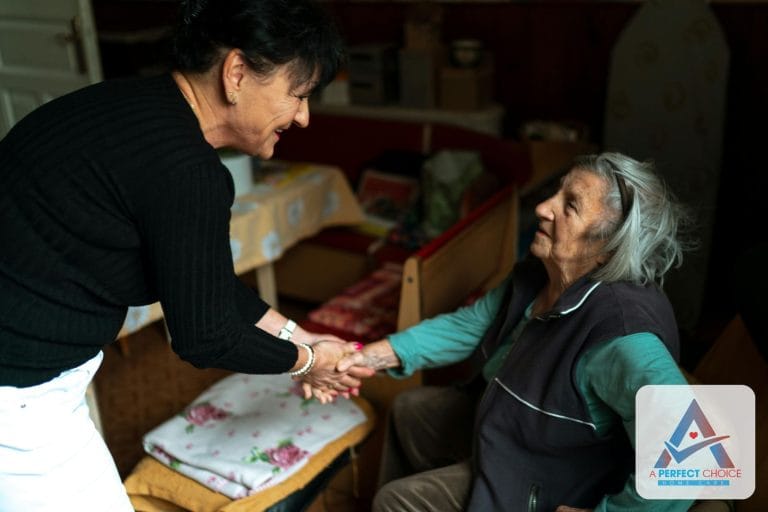


Loneliness is now considered as harmful to senior health as smoking 15 cigarettes a day. The U.S. Surgeon General said that in his 2023 advisory on social isolation, and it landed hard because every family caregiver I work with in Southwest Florida already knew it from experience. Mom gets quiet. Dad stops calling friends. The TV is on more than it used to be. The garden goes untended. And health, slowly, follows.
This is what companion care for elderly clients is built to address. It is the most overlooked service in home care, the cheapest to start with, and often the single thing that keeps an aging parent at home for years longer than they otherwise would.
This guide is for the SW Florida families I talk to every week who are asking some version of: “She does not need a nurse. She needs a person.” Here is what companion care actually looks like, who it is for, what it costs, and how to hire well.
What Companion Care Actually Is
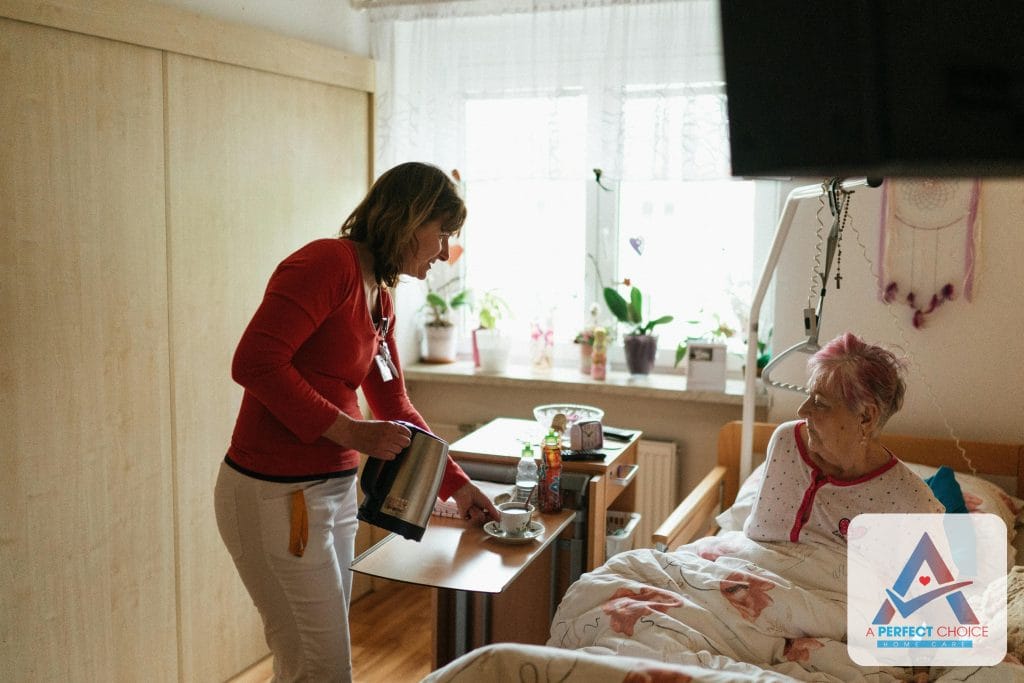
Companion care is one-on-one, in-home support focused on company, conversation, supervision, and the daily logistics that keep an older adult safe and engaged. A companion caregiver is not a nurse. They do not provide medical care. They are also not a maid or a personal assistant, although they will help with some light housekeeping and errands as part of being there.
The work falls into three buckets:
- Presence. Conversation, shared meals, watching a favorite show together, looking through photo albums, going for a walk, sitting in the garden. The simplest part and the most important.
- Activity. Encouraging a senior to do the things they used to do, cook a simple meal, take a short drive, attend a social event, call a grandchild. People with company do more. People who do more stay healthier.
- Light support. Meal prep, light cleaning, grocery shopping, transportation to a doctor’s appointment, medication reminders (not administration), basic safety supervision.
What companion care is not: bathing, dressing, toileting, transfers (lifting from bed to wheelchair), wound care, or anything requiring clinical skill. If a senior needs hands-on help with those things, the right service is personal care, which is a step up.
What an In-Home Companion Actually Does on a Typical Visit
The shortest way to explain companion care is to walk through what an afternoon looks like. Here is a typical 4-hour visit for a client we will call Eleanor (a composite, not a real client):
Eleanor is 82, lives alone in Fort Myers since her husband passed two years ago. Mobile, sharp, but lonely. Her daughter lives in Tampa. The caregiver, Maria, has been coming Tuesday and Thursday afternoons for three months.
- 1:00 PM. Maria arrives. They start with a cup of coffee at the kitchen table. Twenty minutes of just talking, what Eleanor watched on TV, what the neighbor’s dog did, what her granddaughter texted her.
- 1:30 PM. Maria helps Eleanor sort the mail and pay one bill online. Eleanor does the typing. Maria reads the small print.
- 2:00 PM. They go through the fridge, write a short grocery list. Maria drives them to Publix. Eleanor uses the cart for balance. They are gone 45 minutes.
- 3:00 PM. Back home. Maria puts groceries away. Eleanor sits at the table reading a magazine. They chat while Maria starts a casserole for dinner.
- 4:00 PM. The casserole is in the oven. They look at photos on Eleanor’s phone from the daughter’s recent visit. Eleanor laughs at one of the grandkids in a pool.
- 4:30 PM. Maria sets the table, helps Eleanor with her evening medications (reminding, not administering), and gets her settled with the casserole.
- 5:00 PM. Maria leaves. Eleanor has dinner ready, the house is tidy, and she has had four hours of actual conversation in her day.
That is companion care. Nothing dramatic. Everything important.
Companion Care vs Personal Care: The Difference Families Get Wrong
The single most common question I get is: which one does Mom actually need?
Here is the cleanest way to think about it.
Companion care covers
- Conversation and emotional support
- Light housekeeping
- Meal preparation
- Grocery shopping and errands
- Transportation
- Medication reminders
- Safety supervision
- Activity and engagement
Personal care adds
- Bathing and showering
- Dressing and grooming
- Toileting and incontinence support
- Mobility and transfers
- Skin care and pressure-sore prevention
- Feeding support if needed
- More extensive medication management
If your loved one can still bathe, dress, and use the bathroom on their own but seems isolated, fatigued, or unsafe alone, companion care is the right starting point. If they are struggling with any of the personal-care tasks above, the agency should put them on a personal care plan instead. Most agencies, including ours, can switch a client between the two as needs change.
Real talk: many families also use a combination. Companion care two days a week and a separate respite shift on weekends to give a spouse a break. There is no “right” structure. The right plan is whichever one matches what your family actually needs.
Signs Your Aging Parent Could Use Companion Care
If you are reading this you probably already suspect the answer is yes. But for the families who are not sure, here are the most common signals we see:
- The phone calls have gotten shorter or less frequent.
- The fridge has food going bad in it. Or much less food than there should be.
- Mail is piling up. Bills are being missed.
- They have stopped going to things they used to enjoy, church, the senior center, lunch with friends.
- You notice the TV is on for hours at a time.
- They have started asking the same questions twice in one phone call.
- They mention feeling tired, sad, or “off” more often.
- A spouse or sibling who lived with them has died in the last year or two.
- They were recently discharged from the hospital.
None of these mean Mom is in crisis. Most of them mean she is one company visit a week away from being meaningfully better. (We wrote a longer guide on 10 signs your aging parent may need in-home care if you want to go deeper.)
What Companion Care Costs in Florida
Companion care in Florida runs around $28 to $38 per hour through a licensed agency, and where a family lands in that range mostly comes down to the schedule and how many hours a week they need. There is no good shortcut to a cheaper number that does not also dramatically increase your liability and risk. Here is the lay of the land:
- Licensed home care agency (recommended). $28 to $38 per hour. Caregivers are W-2 employees, background-checked, insured, bonded, and supervised by an RN. If a caregiver does not show up, the agency sends another. If something goes wrong, the agency carries the liability.
- Independent caregiver hired directly. $18 to $25 per hour. Cheaper upfront. You become the employer, meaning payroll taxes, workers’ comp, liability insurance, and finding a replacement when they call out. Most families try this once and switch to an agency within a year.
- Family member paid privately. The most fraught option. Can work beautifully or destroy a family. We have seen both.
For most families, the math works out best when you commit to a minimum useful dose. Four hours twice a week (8 hours total) at $33/hr is about $1,144/month, meaningful money, but less than most assisted living facilities and infinitely better for someone who wants to stay in their home.
We wrote a deeper breakdown at how much home care costs in Florida covering Medicaid, VA benefits, long-term care insurance, and private pay.
How to Hire a Companion Caregiver in Southwest Florida
Three steps. The whole process from first call to first visit is usually 24 to 72 hours.
1. Pick a licensed agency over an independent contractor
In Florida, look for an agency licensed by AHCA with an active HHA license. Ask for the license number and verify it at apps.ahca.myflorida.com. Bonded, insured, background-checked, RN-supervised. These are baseline requirements, not premium add-ons.
2. Ask how they match caregivers to clients
This is where good agencies separate from cheap ones. The good ones interview the family, learn the client’s personality and history, and intentionally match for fit. The cheap ones rotate whoever is available. For companion care especially, the same caregiver coming back week after week is most of the value.
3. Start small, scale based on what works
Begin with 4 hours twice a week. After three weeks, you will know whether the fit is right, whether the cadence is right, and whether more (or different) hours would help. The agency should welcome this conversation, not push you to commit to more upfront. Here is what to expect on the first visit.
If you are in Southwest Florida and want to talk through whether companion care is the right fit for your situation, we offer free, no-obligation phone consultations. We will tell you honestly if you actually need it, what dose makes sense, and whether we are the right agency. Call our Fort Myers office at (239) 400-4514 or our Lakewood Ranch office at (941) 799-7559.
FAQs About Companion Care for Elderly
What is the difference between a companion and a caregiver?
“Caregiver” is the umbrella term. A companion is one type of caregiver, specifically one who provides company, social engagement, and light support around the house. A personal care aide is another type of caregiver, providing hands-on help with bathing, dressing, and mobility. Both work for the same kinds of agencies and are often the same person trained in both roles.
Is there any help paying for companion care?
Sometimes, yes. Medicaid in Florida and the VA Community Care Network both cover companion care for eligible seniors. If your parent has a long-term care insurance policy, it may pay part of the cost too. Otherwise it’s private pay, which runs $28 to $38 per hour through a licensed agency.
How many hours of companion care does a senior typically need?
For early-stage companion care (combating isolation, light support), most families start with 8 to 16 hours per week (two to four visits). For seniors who need more daily supervision but not personal care, 20 to 40 hours per week is common. Companion care can also be combined with other services as needs grow.
Can the same caregiver always come?
Yes, and it should be the default. Continuity is the heart of companion care. A good agency assigns a primary caregiver and has one or two backups who have also met the client, so coverage is smooth when the primary is on vacation or sick. If an agency cannot promise consistency, look elsewhere.
What is the minimum number of hours per visit?
Most licensed agencies in Florida have a 4-hour minimum per visit. The reason: in less than 4 hours, the caregiver cannot really do anything meaningful beyond the basics, and the cost-per-useful-hour goes up. Some agencies offer 2-hour visits for an upcharge. We recommend the 4-hour standard unless your situation specifically calls for shorter.
Do you offer companion care for elderly clients in my area?
We provide companion care across 22 communities in Southwest Florida including Fort Myers, Cape Coral, Naples, Sarasota, Bradenton, Lakewood Ranch, Tampa, and more. See the full list of communities we serve.
More from our SW Florida home care guide
- Our Companionship Care Service Details
- Personal Care at Home (When Companion Care Is Not Enough)
- Alzheimer’s and Dementia Care
- 10 Signs Your Aging Parent May Need In-Home Care
- How Much Does Home Care Cost in Florida?
- What to Expect on Your First Home Care Visit
- All 22 Communities We Serve in Southwest Florida
Bring company back to Mom or Dad’s day
Companion care from A Perfect Choice Home Care. RN-supervised caregivers across 22 Southwest Florida communities. Free consultation, no long-term contracts, most families have a caregiver in the home within 24 to 48 hours.
Not sure what kind of help your family needs yet? That's normal.
Tell us a little about what's going on at home. One of our care team calls you back the same business day, listens, and gives you an honest read on whether home care would help and how many hours make sense. No pressure, and nothing to sign.
- Florida-licensed home health agency since 2021
- Free in-home care assessment
- Lee, Collier, Charlotte, Sarasota, Manatee and Hillsborough counties
Request a call back