Home care, home health, hospice. People use these three terms as if they mean the same thing. They do not, and choosing the wrong one can cost a family weeks of confusion at exactly the moment they need clarity.
We hear it on the phone all the time. A daughter calls asking for “home health” when what her mother actually needs is everyday home care. Or a family assumes hospice means giving up, when it can be the most supportive choice available. The words matter, because they determine who provides the care, what it covers, and who pays for it.
So let us untangle the three, in plain language, and help you figure out which one your family actually needs. A quick word on where we sit: A Perfect Choice is licensed by the State of Florida as a home health agency, and our license covers the ongoing, one-on-one care side of this picture, the everyday help at home. Doctor-ordered skilled home health under Medicare comes from Medicare-certified agencies, which we are not, and hospice comes from hospice providers. We work alongside both all the time, and part of our job is pointing families to the right kind of help, every time.
The difference at a glance
Home care (personal, ongoing)
Help with daily life: bathing, dressing, meals, medication reminders, companionship, transportation. Ongoing. Provided by trained caregivers. Usually paid privately, by VA benefits, long-term care insurance, or Medicaid.
Home health care (skilled / medical)
Doctor-ordered medical care at home: skilled nursing and therapy. Short-term and goal-based, usually after a hospital stay. Often covered by Medicare when a Medicare-certified agency provides it.
Hospice care
Comfort-focused care for someone with a terminal illness, usually with a prognosis of six months or less. Focuses on quality of life, not cure. Covered by the Medicare hospice benefit.
Home care: help with everyday life
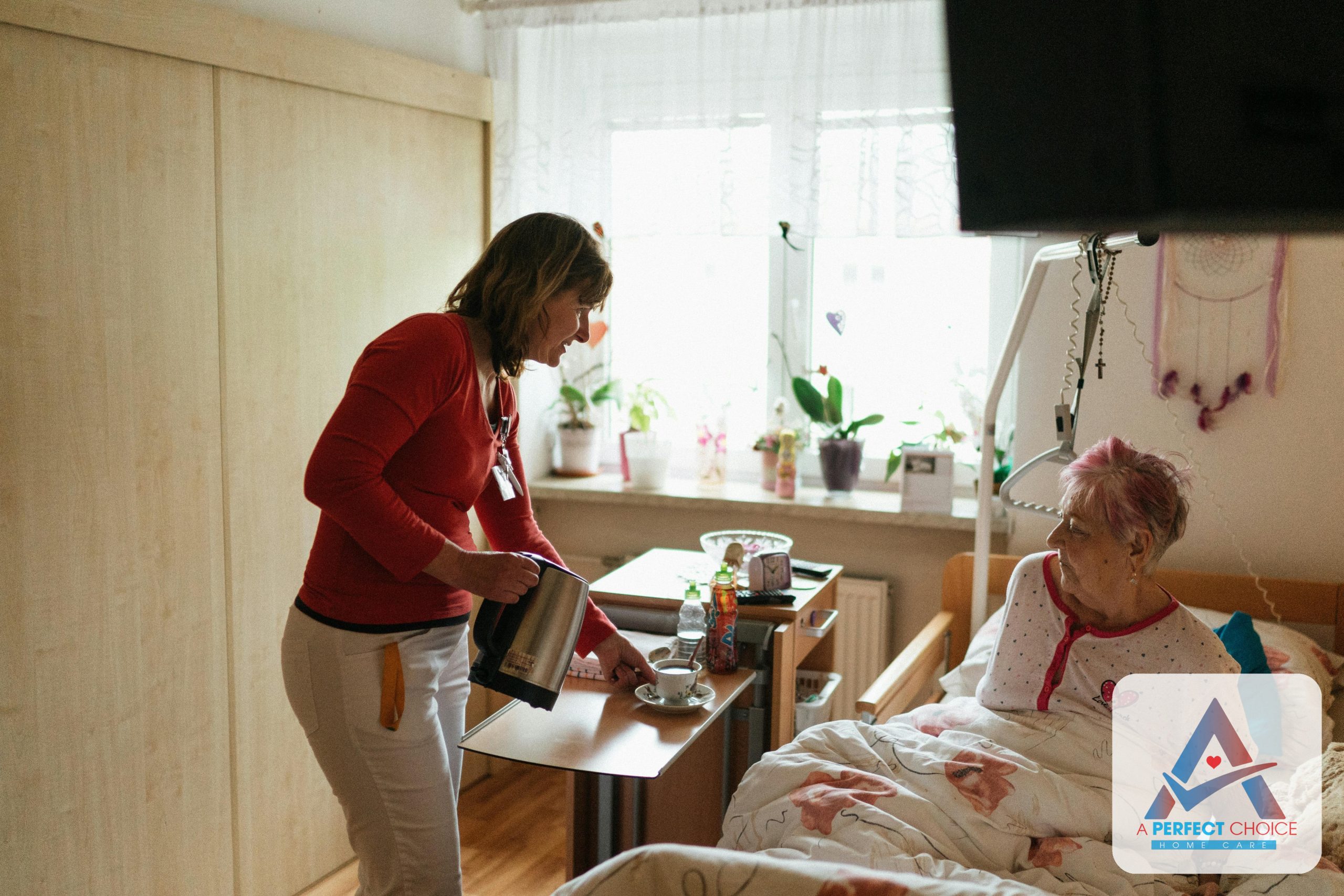
This is the kind of care most families are actually looking for, even when they call it something else. Home care, sometimes called personal care or companion care, is help with the activities of daily living. Bathing and dressing. Preparing meals and reminding someone to take medications. Light housekeeping, laundry, and grocery runs. Driving to appointments. And just as important, the companionship that keeps an older adult engaged instead of isolated.
It is provided by trained caregivers, not nurses, and it is ongoing. A few hours a week, daily visits, or around-the-clock support, for as long as it is needed. There is no doctor’s order required to start, and the plan flexes as needs change.
Within home care there are two flavors that overlap: companion care, which leans toward conversation, errands, and supervision, and personal care, which adds hands-on help with bathing, transfers, and toileting. Most families need a blend of both. Because Medicare does not cover this kind of care, it is usually paid through private pay, VA benefits, long-term care insurance, or a Florida Medicaid waiver. We cover all of that in our guide on how to pay for home care in Florida.
Home health care: skilled, medical, short-term

Home health care is medical. It is ordered by a physician and delivered by licensed clinicians, the skilled nursing and therapy a doctor prescribes. Think recovery after a surgery, a stroke, or a hip replacement, where someone needs skilled care for a while to get back on their feet.
The big differences from home care: it is skilled, it is short-term, and it is goal-based. The point is to recover from a specific event and reach a milestone, then the service ends. It is usually delivered in part-time or intermittent visits, not all day.
Because it is medical and doctor-ordered, Medicare often covers home health care through a Medicare-certified home health agency, as long as the eligibility rules are met. So does Medicare cover home health? Yes, when a physician orders skilled nursing or therapy for an eligible homebound patient. This is the source of the most common mix-up we hear: a family is told “Medicare will cover it,” which is true for skilled home health, but then assumes that means Medicare will also pay for the ongoing daily help of home care. It will not. They are two different services.
One note about us, because the names invite confusion. A Perfect Choice is licensed in Florida as a home health agency, but our license covers the other half of this comparison: the ongoing one-on-one care at home, delivered by CNAs and home health aides. We do not provide skilled nursing or therapy, and we are not a Medicare-certified agency, so the doctor-ordered care described in this section would come from a Medicare-certified provider, not from us. What we do constantly is work alongside those providers, covering the daily hours while their clinicians handle the medical visits.
Hospice care: comfort and dignity at the end of life
Hospice is for someone facing a terminal illness, typically with a prognosis of six months or less if the illness runs its usual course. The goal shifts from trying to cure to making the remaining time as comfortable and meaningful as possible. A hospice team manages pain and symptoms, supports the family, and tends to emotional and spiritual needs alongside the physical ones.
Choosing hospice is not giving up, and it is worth saying that plainly because so many families fear the word. It is choosing a different kind of care, one centered entirely on quality of life. Hospice can be provided at home, which is where most people say they want to be.
Hospice is covered by the Medicare hospice benefit, as well as by Medicaid and most private insurance. It is also the one situation where Original Medicare covers respite care, short inpatient stays to give the family caregiver a break.
They often work together
These three are not mutually exclusive, and the most common real-world scenario blends them. Picture a typical path: Dad has a hip replacement. Medicare-covered home health sends a nurse and a physical therapist for a few weeks to get him through rehab. But those visits are only an hour or two at a time, and the family realizes he cannot safely manage the other 22 hours of the day alone.
That is where home care fills the gap, providing the daily help with bathing, meals, and mobility that home health does not cover. When the skilled home health episode ends, the home care continues for as long as it is useful. In practice, a Medicare-certified agency sends the nurse or therapist for the covered visits while our caregivers handle the daily hours, and we make a point of talking with their clinicians so the two halves of the plan stay in step instead of guessing at each other. We also coordinate with hospital discharge planners across Southwest Florida to make the move home smooth.
And if a serious illness later progresses, hospice can be added while home care continues to support the family. The labels matter for billing and providers, but good care is rarely just one box.
Which one does your family need?
Needs help with daily living, but is medically stable? That is home care. Bathing, meals, company, transportation, supervision.
Just left the hospital and a doctor ordered nursing or therapy? That is home health, usually Medicare-covered and short-term.
Facing a terminal illness and focused on comfort? That is hospice, centered on quality of life.
Recovering from something AND needs daily help? Often both home health and home care, running side by side.
Still deciding whether care at home is the right move at all? Our comparison of home care versus assisted living walks through that bigger question.
Common questions about home care, home health, and hospice
What is the difference between home care and home health care?
Home care is ongoing help with daily living, bathing, dressing, meals, companionship, provided by trained caregivers. Home health care is skilled medical care, nursing or therapy, ordered by a doctor and usually short-term after a hospital stay. Home care is typically paid privately or through VA, insurance, or Medicaid; home health is often Medicare-covered through a Medicare-certified agency.
What are the three main types of home care?
The three are home care (help with daily living and companionship), home health care (skilled medical care like nursing and therapy), and private-duty nursing (one-on-one skilled nursing for complex needs). A Perfect Choice provides the first kind, ongoing one-on-one care at home across Southwest Florida, under a Florida home health agency license that covers that side of care.
Does Medicare cover home care or only home health?
Medicare covers skilled home health care (part-time nursing or therapy) after a qualifying event, through a Medicare-certified agency. It does not cover ongoing home care such as bathing, meals, and companionship when that is the only care needed. Families fund home care through private pay, VA benefits, long-term care insurance, or Florida Medicaid.
Is hospice the same as giving up?
No. Hospice is a shift in goals from curing an illness to maximizing comfort and quality of life for someone with a terminal prognosis. Many families say they wish they had started hospice sooner, because of the symptom relief and family support it provides. It can be delivered at home.
Can my parent have home health and home care at the same time?
Yes, and it is common. Medicare-covered home health might send a nurse or therapist for short visits after a hospital stay, while home care provides the daily help with bathing, meals, and supervision that home health does not cover. Our caregivers often share a household with a Medicare-certified agency’s nurses and therapists, covering the daily hours around their visits, and we coordinate with them so nothing falls through the cracks.
Which type of care does A Perfect Choice provide?
We provide home care, the ongoing one-on-one kind: companion care, personal care, dementia and Alzheimer’s care, veteran home care, respite, and 24-hour support across Lee, Collier, Charlotte, Sarasota, Manatee, and Hillsborough counties. We are licensed in Florida as a home health agency, but our license covers this everyday side of care rather than skilled nursing or therapy, and we are not Medicare-certified. We are not a hospice either, but we will gladly point you to a trusted hospice partner or a Medicare-certified home health agency and provide care alongside them.
Not sure which kind of care your family needs?
Tell us what is going on and we will help you sort out whether it is home care, home health, hospice, or a combination. If it is the ongoing daily care we provide, we can start quickly. If it is doctor-ordered skilled care or hospice, we will point you to the right provider and gladly work alongside them. No pressure, no cost for the conversation.
A Perfect Choice Home Care · Florida-licensed home health agency providing one-on-one care at home · Serving six Southwest Florida counties
This article is general information, not medical or insurance advice. Coverage rules for Medicare, Medicaid, and hospice depend on your specific situation and change over time. Confirm details with the relevant provider or agency.